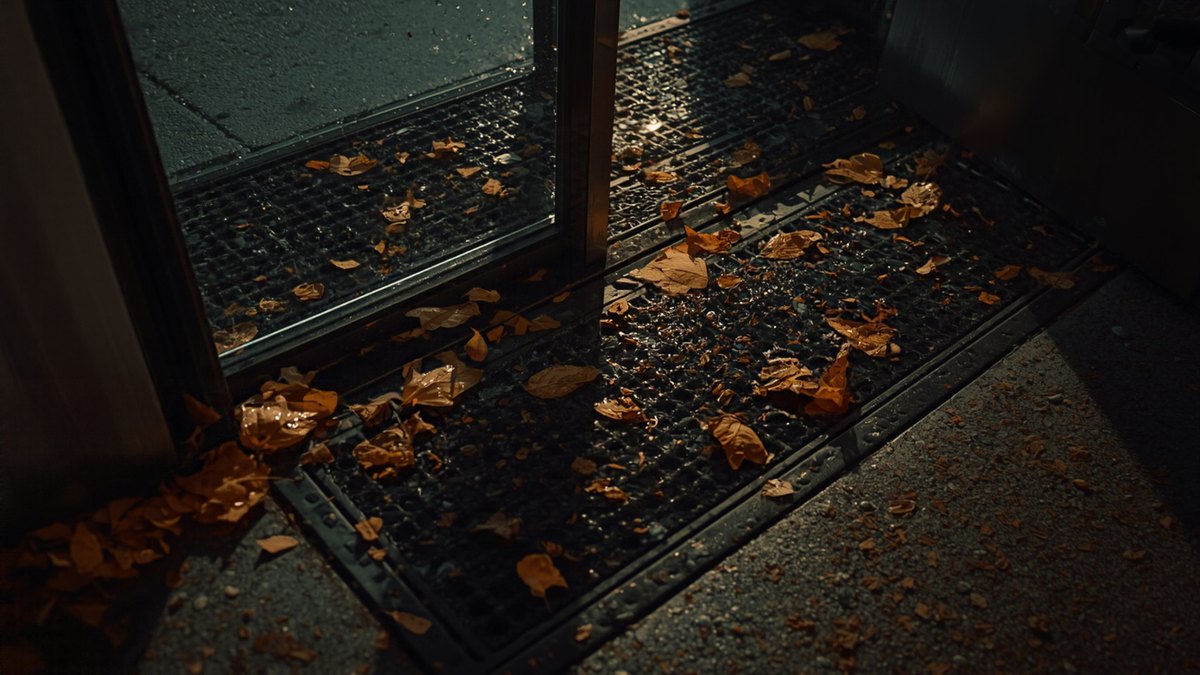
Central Arkansas weather turns fast once October rolls into November — cold mornings, wet leaves, and shorter daylight hours all put extra strain on a commercial automatic entrance. A little attention now helps your doors keep working smoothly through the holiday rush, when foot traffic picks up and nobody has time for a stuck door. Here's what facility managers at retail stores, offices, healthcare buildings, and hospitality properties should walk through before winter sets in.
Check Weather Seals and Door Sweeps
Weather seals and sweeps keep cold air, rain, and wind out of the building — and they take a beating all year from constant opening and closing. Walk your entrances and look for:
- Cracked, brittle, or torn weatherstripping around the frame
- Door sweeps that have worn down, curled, or separated from the bottom of the door
- Visible daylight or drafts around the edges when the door is closed
Worn seals and sweeps don't just waste heating dollars — they let in moisture that can affect flooring, mats, and the entrance floor plate. Replacing seals and sweeps is straightforward maintenance, but any adjustment that involves the door panel alignment or closing force should go to a trained technician.
Clear Drainage Paths and Check for Standing Water
Fall rain plus falling leaves is a recipe for clogged drainage at entrance thresholds. Standing water at the base of a sliding or swinging door can seep into the track, the floor sensor pad, or the electronics below the threshold. Before cold weather hits, check that:
- Threshold drains and weep holes are clear and draining properly
- Entrance mats and grates aren't holding water against the door frame
- Walkways leading to the entrance slope away from the building, not toward it
If you notice water pooling near the operator housing or header, flag it for a technician rather than waiting — moisture near electrical components is not something to guess about.
Inspect Entrance Lighting
As daylight hours shrink, entrance lighting becomes part of your door's safety picture. Customers, patients, and employees need to clearly see the door, the activation area, and any signage well before dusk arrives. Walk your entrance at dusk and check that:
- Overhead and sidelight fixtures at the entrance are working and aimed correctly
- Any illuminated signage or activation decals are visible and not obscured
- There are no dark spots right at the threshold where someone would step without warning
Replace burned-out bulbs or fixtures promptly — this is simple building maintenance, separate from any door hardware work.
Watch for Leaf and Debris Buildup in Tracks and Sensors
Falling leaves, pine needles, and wind-blown debris love to collect in sliding door tracks, threshold channels, and around floor-mounted sensors. Built-up debris can keep a sliding door from closing fully, cause it to bind, or interfere with how a sensor reads activity near the entrance. A quick daily or weekly sweep of the visible track and threshold area with a soft brush or shop vac keeps debris from accumulating. If a door is dragging, grinding, or not closing flush after you've cleared visible debris, stop and call for service rather than forcing it — something inside the track or operator may need a trained eye.
Schedule Your Safety Inspection Before the Holiday Rush
Thanksgiving through New Year's brings the heaviest foot traffic many commercial entrances see all year, from retail customers to hospitality guests to extra staff and deliveries. That's exactly the wrong time to discover your automatic door has a sensor issue or a closing-force problem. Fall is the ideal window to have a certified AAADM technician inspect the full entrance system — sensors, activation devices, the operator, and overall performance — and make any adjustments within the manufacturer's limits before the holiday crowds arrive.
Getting this scheduled now, rather than in December, also means you're not waiting in line behind everyone else who waited too long.
CSC Automatic Doors has served central Arkansas businesses since 1976, with technicians who know commercial entrances inside and out across Conway, Little Rock, North Little Rock, Benton, Bryant, Maumelle, Jacksonville, Searcy, Russellville, Cabot, Sherwood, and Hot Springs. Call 501-514-4932 to schedule your fall entrance checkup before the holiday rush hits.
Frequently asked questions
How often should I have my automatic entrance inspected?
Most commercial properties benefit from a professional inspection at least once or twice a year, with fall being an ideal time since it gets the door ready for heavier winter and holiday traffic before problems show up.
Can my maintenance staff adjust the door's closing speed or sensor sensitivity?
No — closing speed, force, and sensor settings are safety-critical and should only be adjusted by a certified AAADM technician using proper testing equipment. Staff can handle visible cleaning and basic housekeeping around the entrance, but settings adjustments should always go to a trained professional.
What's the biggest automatic door issue you see heading into winter?
Debris and moisture buildup in tracks and thresholds is one of the most common fall issues — leaves and wet debris collect quickly and can affect how smoothly a door closes or how a sensor reads activity near the entrance.