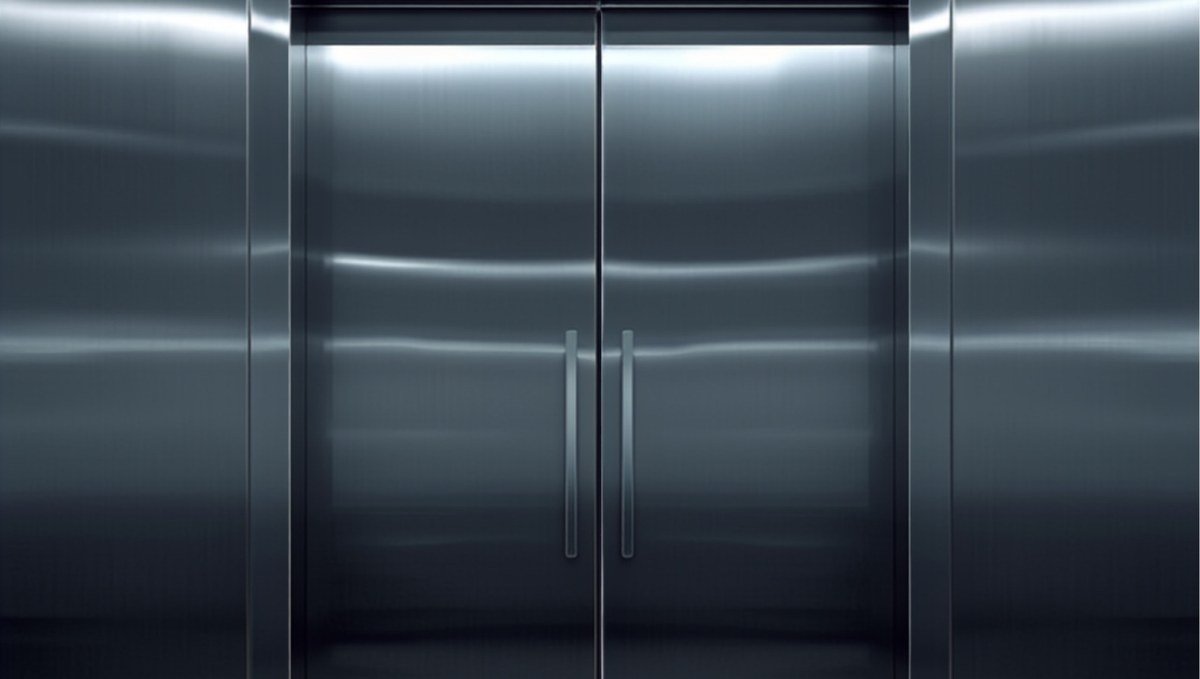
Why Cooler and Freezer Doors Wear Out Fast
A walk-in cooler or freezer door in a commercial kitchen opens and closes dozens or hundreds of times a day. Every cycle pushes warm, humid kitchen air against a cold box, and that temperature swing is hard on gaskets, hinges, and frames. Add grease, cart traffic, mop water, and spills that are common in restaurants, grocery stores, and healthcare kitchens across Little Rock, Conway, North Little Rock, Benton, Bryant, Maumelle, Jacksonville, Searcy, Russellville, Cabot, Sherwood, and Hot Springs, and it's no surprise these doors need attention more often than a standard entrance. A door that seals perfectly when it's installed can be leaking cold air within a year or two if the gasket and sweep aren't checked.
The Parts That Actually Seal the Door
A cooler or freezer door only works as well as its weakest component. These are the parts we check most often on a service call:
- Gaskets — the rubber seal around the door frame. Cracked, torn, flattened, or brittle gaskets let warm air leak in continuously, even when the door looks closed.
- Door sweeps — the strip along the bottom of the door that seals against the floor. Worn or missing sweeps are a common source of cold air pooling out onto the kitchen floor near the threshold.
- Hinges — heavy freezer doors put constant strain on their hinges. Sagging or loose hinges let the door hang out of square, which keeps the gasket from sealing evenly on all four sides.
- Closers — a closer that's too slow, too fast, or leaking fluid lets the door drift open or slam shut, both of which stress the gasket and frame over time.
- Heated frames — many freezer doors use a heated frame or heater wire along the gasket line to keep ice from forming and locking the door shut. When that heat element fails, frost and ice take over fast.
What Frost Build-Up Is Telling You
Frost on the door frame, ceiling, or floor around a walk-in isn't just an inconvenience — it's a sign the door isn't sealing. Every time humid kitchen air gets pulled past a bad gasket or sweep, that moisture freezes the moment it hits the cold box. Left alone, frost builds up on shelving and product, ice forms around the door track or hinges, and the door itself becomes harder to open and close. That extra force needed to move the door puts even more strain on hinges and closers, which speeds up the next failure.
Energy Loss and Food-Safety Consequences
A door that won't seal forces the refrigeration unit to run longer and harder to hold temperature, and that shows up directly in utility costs. More importantly, a poor seal makes it harder to hold a stable, safe temperature inside the box. Kitchens depend on that stability to keep food out of the danger zone, and repeated temperature swings caused by a leaking door put inventory — and the health of the people eating it — at risk. A door service call is almost always less expensive than the product loss that follows a cooler or freezer that can't hold temperature.
Automatic Cooler and Freezer Doors Need Certified Attention
Many commercial kitchens use automatic swing or slide doors on walk-in coolers and freezers so staff can keep their hands off the door while carrying trays, carts, or product. These doors add an operator, sensors, and force and timing settings on top of the gasket, sweep, hinge, and closer components already doing the sealing work. Inspecting and replacing worn gaskets, sweeps, and hinges is routine maintenance. But adjusting an automatic door's operator, force, timing, or sensors is a safety-critical setting that should only be handled by an AAADM-certified technician with the right testing equipment. If your automatic cooler or freezer door is sticking, cycling too fast, or not sensing someone in the doorway, that call belongs to a certified technician — never a quick fix on the fly.
Serving Kitchens Across Central Arkansas
CSC Automatic Doors is the automatic-door division of Commercial Service Company, serving central Arkansas businesses since 1976. We work on cooler and freezer doors in restaurants, grocery and convenience stores, hospitals, and hospitality kitchens throughout Conway, Little Rock, North Little Rock, Benton, Bryant, Maumelle, Jacksonville, Searcy, Russellville, Cabot, Sherwood, and Hot Springs.
If your walk-in cooler or freezer door is frosting up, running your energy costs up, or just won't seal like it used to, call CSC Automatic Doors at 501-548-2374 to get it inspected and repaired.
Frequently asked questions
How do I know if my cooler door needs a new gasket or something else?
Look for visible gaps, cracked or flattened rubber, condensation forming along the frame, or frost building up nearby. If the gasket looks intact but the door still won't seal, the problem may be a sagging hinge or worn closer holding it out of square — worth a service visit to pin down the actual cause.
Can I replace a cooler or freezer door gasket myself?
Gaskets and sweeps are wear parts, and swapping a worn one is common maintenance. If your cooler or freezer door is an automatic model, though, any work near the operator, sensors, or heated frame wiring should go through a certified technician who can keep those settings correct once the part is back in place.
What causes ice to build up around a freezer door frame?
Usually it's a combination of a failed heated frame or heater wire and a worn gasket or sweep letting humid air into the seal area. Once ice starts forming on the frame or track, it keeps the door from closing fully, which lets in even more moist air and speeds up the problem.