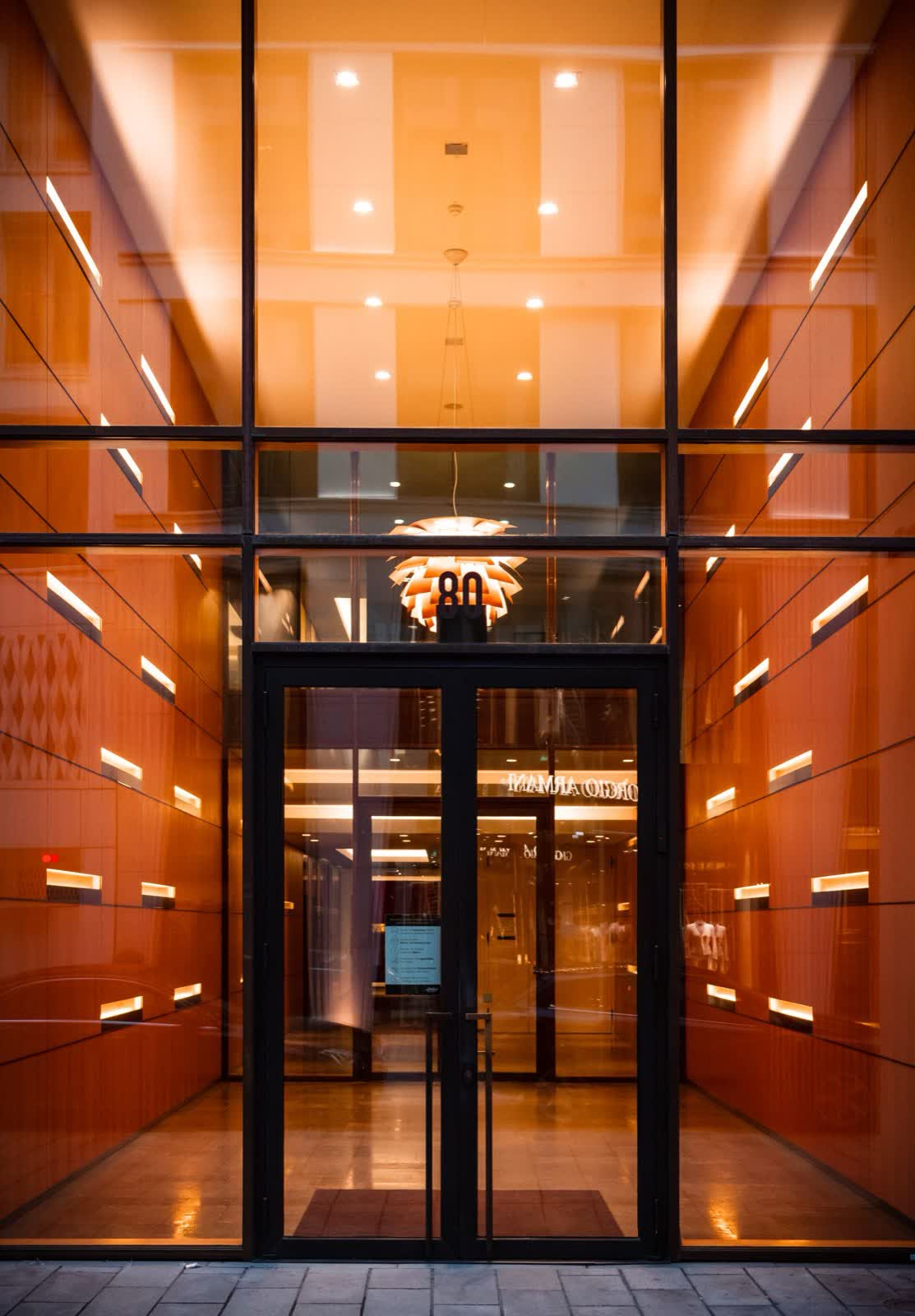
City halls, libraries, courthouses, and community centers see a different kind of foot traffic than a retail store. Visitors arrive in wheelchairs, with strollers, with canes, carrying boxes of paperwork, or pushing a cart of returned books. The automatic door at the front entrance isn't a convenience feature at a municipal building — it's often the only way some visitors can get in and out on their own. When it fails, staff end up propping doors open or physically holding them, which isn't a long-term answer for a public building with limited staff at the front desk.
We work with facility managers across Conway, Little Rock, North Little Rock, Benton, Bryant, Maumelle, Jacksonville, Searcy, Russellville, Cabot, Sherwood, and Hot Springs to keep public entrances reliable, documented, and budgeted for — without disrupting the public hours those buildings depend on.
Why Public Entrances Carry Extra Weight
A municipal building typically serves a wider range of visitors than a private business: elderly residents paying utility bills, parents with young kids at the library, people arriving for court dates, employees handling heavy equipment carts. Accessible entrances aren't optional for a public-facing government building — they're central to the building's purpose. That means the automatic door operator, sensors, and swing or slide hardware need to perform consistently, not just most of the time.
It also means these doors tend to see heavier daily cycle counts than a private office. High-traffic doors wear faster, and worn parts create exactly the kind of inconsistent performance that frustrates staff and visitors alike.
Documentation That Holds Up for the Record
Public buildings often need a paper trail to show that equipment is being maintained — for budget committees, city councils, or internal facilities records. We provide written inspection documentation and AAADM-certified technician sign-off for the automatic door checks we perform, so your building has a dated record on file whenever someone asks for it. That documentation covers what was inspected, what was adjusted, and what parts were serviced or replaced.
Keeping that history organized also helps you make the case for budget requests down the road — a clear record of recurring repairs on an aging operator is a stronger argument for replacement funding than a verbal description.
Working With Budget Cycles, Not Against Them
Municipal and institutional budgets don't move like private business budgets. Capital requests often need to be submitted months ahead of a fiscal year, and emergency repair funds may be limited or require approval steps. We can provide written estimates and documented findings early enough to fit your budget planning calendar, whether that's a routine maintenance line item or a larger request to replace an aging operator system.
If a door is approaching the end of its service life, we'll tell you plainly and give you time to plan for it rather than waiting for a failure that forces an emergency purchase.
Scheduling Service Around Public Hours
A city hall or library can't simply close for a few hours while a door gets serviced. We work with your staff to schedule inspections, adjustments, and repairs around public hours — early mornings, after close, or during known low-traffic windows — so the front entrance stays usable when residents need it. For buildings with a single accessible entrance, we also talk through temporary access plans with staff before any work that requires the door to be out of service.
Why Adjustments Stay With a Certified Technician
Automatic door force, closing speed, and sensor coverage are safety-critical settings. They're set within the manufacturer's limits using calibrated testing equipment, and they need to stay there — not be nudged by well-meaning maintenance staff trying to fix a squeak or a slow close. Our AAADM-certified technicians handle those adjustments, along with operator, electrical, and sensor work, so the door performs the way it's supposed to for every visitor who comes through it.
If your city hall, library, or other public building has an automatic door that's sticking, closing too fast, or due for its next documented inspection, call CSC Automatic Doors at 501-548-2374. We'll schedule around your public hours and get you a written record for your files.
Frequently asked questions
How often should a municipal building's automatic doors be inspected?
It depends on daily traffic volume and the age of the equipment, but high-traffic public entrances generally benefit from more frequent checks than a low-traffic office door. We can recommend an interval based on what we find during an initial inspection and document it for your maintenance records.
Can you provide documentation we can present to a budget committee or council?
Yes. We provide written inspection reports and AAADM-certified technician sign-off for the work we perform, giving your facility a dated record to reference for funding requests or internal audits.
Our building only has one accessible entrance — how do you handle service without shutting it down?
We'll talk through the building's hours and traffic patterns with your staff ahead of time and schedule work for the lowest-impact window, such as early morning or after close. For repairs that require the door to be offline, we discuss a temporary access plan with your staff before work begins.